
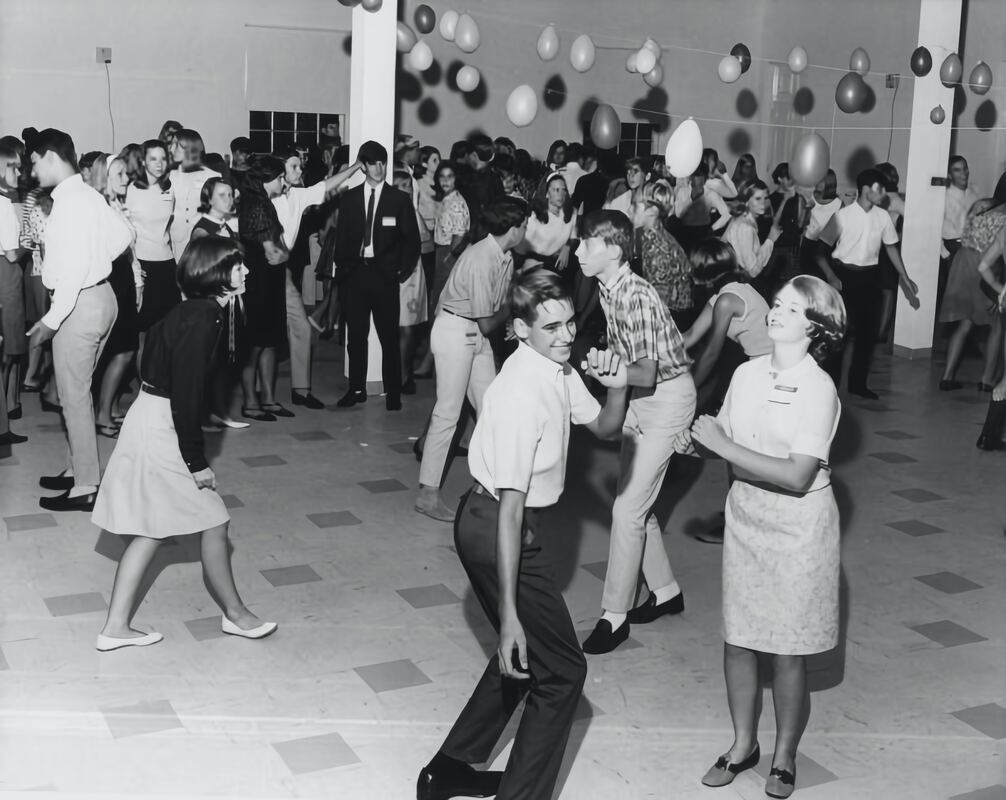
 As we journey through life and the years gracefully advance, the significance of maintaining both physical and cognitive health becomes increasingly apparent. While it's common knowledge that exercise is essential for keeping our bodies in good condition, the connection between exercise and cognitive function is often underestimated. In this article, we explore the remarkable evidence that underscores the profound impact of exercise on our cognitive abilities, including the creation of new brain cells and the potential prevention of age-related cognitive decline. The Brain's Lifeline: Oxygen and Exercise The brain is a remarkable organ that thrives on a continuous supply of oxygen and nutrients. One of the most profound benefits of exercise is that it significantly improves blood flow throughout the body, including the brain. As we engage in cardiovascular exercise, our hearts pump more blood, and our blood vessels expand to accommodate this increased flow. This process perfuses the brain with oxygen-rich blood, ensuring that it operates optimally. Counteracting Age-Related Cognitive Decline Age-related cognitive decline is a common concern as we grow older. Many people experience difficulty with memory, concentration, and decision-making as they age. Fortunately, exercise emerges as a powerful ally in counteracting these declines. Multiple studies have shown that individuals who engage in regular cardiovascular exercise experience cognitive benefits. Their memory, problem-solving abilities, and overall cognitive function tend to outshine those who live a more sedentary lifestyle. The Difference Between "Active" and "Inactive" Aging Consider this scenario: two older men, both leading different lifestyles. One maintains a regular exercise routine that includes activities like brisk walking, swimming, or dancing, while the other seldom engages in physical activity. Research has shown that the latter may experience brain shrinkage over time. As he ages, certain areas of his brain may deteriorate, impacting memory and cognitive function. Exercise and Dementia Prevention One of the most compelling areas of study in recent years has focused on the potential link between lack of exercise and the development of dementia, including Alzheimer's disease. While more research is needed to fully understand the complexities of these conditions, preliminary findings suggest that regular exercise could play a role in reducing the risk of cognitive decline. Theories point to exercise's ability to protect brain cells, increase connectivity between them, and potentially slow down the progression of neurodegenerative diseases. The Magic Duo: Cardio Exercise and Brain Work While exercise on its own provides significant cognitive benefits, the magic duo for preserving and enhancing cognitive function is cardiovascular exercise combined with mental engagement. Activities like dancing not only get your heart pumping but also require you to think and memorize steps. This dual-action approach fosters a unique synergy between the cardiovascular system and the brain. It's like a symphony, with both elements working in harmony to optimize cognitive function. The Marvel of Neurogenesis: Creating New Brain Cells In the realm of brain health, a captivating phenomenon called "neurogenesis" has been uncovered. This process involves the creation of new brain cells, scientifically known as "neurons." These fresh neurons play a pivotal role in enhancing cognitive function, memory, and overall brain health. A compelling aspect of neurogenesis is its potential to counteract the effects of age-related cognitive decline. While this process primarily occurs in specific brain regions, it can significantly impact cognitive abilities. Engaging in cardiovascular exercise appears to be one of the most effective ways to stimulate neurogenesis. This means that as you exercise, you're not only enhancing your overall cognitive function but also actively promoting the growth of new brain cells. The evidence is increasingly clear, exercise is not just about maintaining physical health but also about nurturing cognitive vitality as we age. Regular cardiovascular exercise oxygenates the brain, counteracts age-related cognitive decline, and may help protect against conditions like dementia and Alzheimer's disease. So, put on those dancing shoes or lace up your running sneakers and embark on the journey to a healthier, sharper, and more agile mind through the power of exercise. Your brain will thank you for it. Download my free ebook guide designed for everyday folks aged 60-75 who aspire to remain fit, healthy, and independent as they age <HERE>  |
Author
ArchivesCategories
All
|
 RSS Feed